

Unlock 10% off your first order
The science behind every capsule.
Three Greek polyphenol sources, tested and documented — the honest guide to what makes Phenolia work.
The Science of
Olive Polyphenols
One of the most researched families of compounds in nutrition — and the most misunderstood number on a supplement label. Here is the honest guide.
What are polyphenols?
Protective plant compounds — in olives, a handful do the heavy lifting the research keeps returning to.

Hydroxytyrosol →
Among the most studied dietary antioxidants — researched for protecting LDL cholesterol from oxidation.
Oleocanthal →
The peppery catch at the back of a fresh oil — studied for its natural anti-inflammatory activity.
The broadest olive polyphenol panel — in one formula
Different plant parts carry different polyphenols. Relying on one source leaves gaps. Phenolia combines three.
Olive Oil Extract
The hydroxytyrosol- and oleocanthal-rich fraction of premium oil — as a powder, without the oil or calories.
Olive Leaf Extract
Rich in oleuropein, a polyphenol the fruit alone doesn't provide in the same way.
Greek Mountain Tea
Sideritis — a traditional Greek botanical with its own distinct polyphenols.
Everyday well-being, studied
Cardiovascular →
Hydroxytyrosol & healthy LDL function.
Inflammation →
The oleocanthal story.
Recovery →
Why athletes are paying attention.
Healthy aging →
Antioxidant support over the long run.†
† These statements have not been evaluated by the Food and Drug Administration. This product is not intended to diagnose, treat, cure, or prevent any disease.
The same oil. Two very different numbers.
A polyphenol figure is only as good as the test behind it. HPLC measures compounds directly and is the IOC-recognized gold standard. NMR can read 2–3× higher for the identical oil.
Oil or capsule?
Pomoni High-Phenolic Olive Oil
A food you enjoy daily — best raw, as a finishing oil. Bold, peppery, verified.
Shop the oilPhenolia
The polyphenol power of 1.5–2 tbsp of high-phenolic oil in one two-capsule serving — plus olive leaf & Greek Mountain Tea. No oil, no calories.
Explore PhenoliaFrequently asked
How many polyphenols do I actually need?
There's no single official target, but the EU recognizes a health claim for olive polyphenols at 5 mg of hydroxytyrosol per day. Consistency matters more than one big dose.
Do polyphenols survive being made into a capsule?
Yes — a powdered extract is more stable than liquid oil, whose polyphenols decline over time after bottling. See our testing & certifications.
Are olive polyphenols safe to take daily?
They're a normal part of the Mediterranean diet. As with any supplement, talk to your physician if you're pregnant, nursing, or on medication.
Olive polyphenols, explained in full
Polyphenols are a large family of plant compounds. Plants make them to cope with ultraviolet light, pests and oxidative stress, and they appear in foods as different as coffee, berries, tea and wine. Nutrition scientists usually group them into phenolic acids, flavonoids, stilbenes, lignans and, in olives, secoiridoids.
Secoiridoids are the class that sets olives apart. The olive tree grows in hot, dry, rocky ground, and its fruit and leaves carry a set of compounds rarely found in other foods: oleuropein and its breakdown products, including oleocanthal, oleacein, hydroxytyrosol and tyrosol. Each has its own entry in the compound library below, so this section explains how they fit together rather than repeating those pages.
How the compounds are related
Oleuropein is the bitter compound of the unripe fruit and the leaf. When olives are crushed, the fruit's own enzymes break oleuropein and related molecules into smaller compounds. Some of these, such as oleocanthal and oleacein, give fresh oil its pepper and bitterness. Others, such as hydroxytyrosol and tyrosol, are smaller molecules that also form as the larger ones break down, in the oil and in the body.
What research has measured in people
Blood lipids and the EU health claim
The best-established finding concerns LDL cholesterol. In the EUROLIVE trial, 200 healthy men took 25 mL a day of olive oils that differed only in phenolic content, each for three weeks. HDL cholesterol rose and markers of LDL oxidation fell in step with the oils' phenolic content (Covas et al., 2006).
After reviewing this kind of evidence, the European Food Safety Authority accepted that olive oil polyphenols contribute to the protection of blood lipids from oxidative stress (EFSA, 2011). The EU authorized the claim in Regulation (EU) 432/2012. It may only be used for olive oil that contains at least 5 mg of hydroxytyrosol and its derivatives per 20 g of oil, eaten daily. That figure is often approximated as about 250 mg/kg of total polyphenols, but the regulation sets it per 20 g of oil for specific compounds, not as a total.
Diet trials
PREDIMED, a Spanish trial in about 7,400 adults at high cardiovascular risk, compared a Mediterranean diet supplemented with extra virgin olive oil, the same diet supplemented with nuts, and advice to follow a reduced-fat diet. The two Mediterranean groups had fewer major cardiovascular events (heart attack, stroke or cardiovascular death combined) than the control group. The results were re-analyzed and republished in 2018 after problems were found with randomization at some sites (Estruch et al., 2018). PREDIMED tested a whole dietary pattern, so it cannot separate the effect of polyphenols from the rest of the diet. Our PREDIMED explainer goes through what it did and did not show.
The oleocanthal and ibuprofen connection
In 2005, researchers reported that oleocanthal produces the same throat sting as liquid ibuprofen and, in laboratory tests, inhibits the same COX-1 and COX-2 enzymes. The authors estimated that 50 g of a fresh, high-oleocanthal oil would supply an amount with roughly a tenth of the activity of an adult ibuprofen dose (Beauchamp et al., 2005). That is a laboratory comparison, not a finding that olive oil works like a painkiller. See the oleocanthal entry and our page on olive polyphenols and inflammation.
What the research does not show
Many studies of olive polyphenols are laboratory or animal work, and human trials are mostly short and measure markers such as LDL oxidation or C-reactive protein rather than disease outcomes. Results vary with the dose, the oil's measured phenolic content, the length of the study and the people taking part. Olive polyphenols are food compounds; they are not a treatment for any disease and do not replace prescribed medication.
Polyphenols and the gut
Only part of the polyphenol content of a meal is absorbed in the small intestine. Much of the rest reaches the colon, where gut bacteria break it down, and researchers are studying how olive polyphenols and the gut microbiome affect each other. Most of that work is early. Our article on olive oil polyphenols and gut health reviews what has been measured so far.
What determines polyphenol levels in olive oil
A polyphenol figure is the result of decisions made from the grove to the bottle.
- Cultivar. Some varieties, including the Greek Koroneiki, tend to produce oils rich in secoiridoids. Variety sets the potential; it does not guarantee the result.
- Harvest timing. Phenolic compounds are highest in green, unripe fruit and decline as olives ripen, while oil yield rises. Early harvest trades volume for phenolic content.
- Milling. Fruit milled within hours of picking, at controlled temperatures, keeps more of its phenolic compounds than fruit left to sit or processed hot.
- Storage. Polyphenol levels fall over time once oil is made, faster with heat, light and air. That is why a dated, batch-specific certificate is more useful than a number from an earlier harvest.
How the number is measured
HPLC (high-performance liquid chromatography) separates the oil into individual compounds and measures each one, and it is the method used in most human trials of olive polyphenols. Other methods can report very different totals for the same oil, so a figure only means something with its method attached. We quote HPLC. Our current oil measured 635 mg/kg total polyphenols by HPLC; the certificate is on our testing page, and HPLC vs NMR explains why methods disagree.
Getting more olive polyphenols day to day
- Choose an oil with a measured number. "Extra virgin" is a grade based on acidity and taste, not polyphenol content. Look for a harvest date and a current HPLC result for the batch.
- Use some of it raw. Extra virgin olive oil is stable enough to cook with, but heat reduces some of its phenolic compounds. Drizzling it over food after cooking keeps more of them.
- Notice the pepper and bitterness. They come from phenolic compounds such as oleocanthal and oleuropein derivatives. They are a useful sign, not a measurement.
- Keep it fresh. Buy a size you will finish within a few weeks of opening, close it tightly and store it somewhere cool and dark.
- Make it part of the whole plate. Olive oil is one part of a Mediterranean-style pattern built on vegetables, legumes, fruit, whole grains and fish.
- Consistency over large amounts. The studies above gave olive oil every day; a regular habit matters more than an occasional large serving.
More questions
Does cooking destroy olive polyphenols?
Heat reduces them, and the loss grows with temperature and time. Gentle cooking keeps a share; using some oil raw keeps the most.
How can I tell if my olive oil is high in polyphenols?
A peppery catch in the throat and a bitter edge are good signs, but only a laboratory result for the batch, with the method named, tells you how much is there.
Do polyphenol levels drop after I open the bottle?
Yes. Each pour lets in air, and the empty space in the bottle grows as you use it. Finish an opened bottle within a few weeks and keep it closed, cool and dark.
Can olive polyphenols replace medication?
No. They are food compounds, not medicines. Talk to your doctor before changing any prescribed treatment.
References
- Covas MI, Nyyssönen K, Poulsen HE, et al. The effect of polyphenols in olive oil on heart disease risk factors: a randomized trial. Annals of Internal Medicine. 2006;145:333-341. doi.org/10.7326/0003-4819-145-5-200609050-00006
- EFSA Panel on Dietetic Products, Nutrition and Allergies. Scientific Opinion on the substantiation of health claims related to polyphenols in olive and protection of LDL particles from oxidative damage. EFSA Journal. 2011;9(4):2033. doi.org/10.2903/j.efsa.2011.2033
- Commission Regulation (EU) No 432/2012. eur-lex.europa.eu
- Estruch R, Ros E, Salas-Salvadó J, et al. Primary prevention of cardiovascular disease with a Mediterranean diet supplemented with extra-virgin olive oil or nuts. New England Journal of Medicine. 2018;378:e34. doi.org/10.1056/NEJMoa1800389
- Beauchamp GK, Keast RSJ, Morel D, et al. Ibuprofen-like activity in extra-virgin olive oil. Nature. 2005;437:45-46. doi.org/10.1038/437045a
One page per compound.
Short reference entries written to be cited: what each olive polyphenol is, how it works, what the trials show, and how much is in olive oil and in Phenolia.
Oleocanthal
The peppery sting. Shares a pathway with ibuprofen.
Read →Hydroxytyrosol
The antioxidant behind the EU olive oil health claim.
Read →Oleuropein
The bitter compound in olives and olive leaf.
Read →Oleacein
Protects LDL from oxidation; abundant in early-harvest oil.
Read →Tyrosol
The quiet partner compound.
Read →Every Pomoni article on polyphenol science
Mechanisms, trials and testing, newest first.
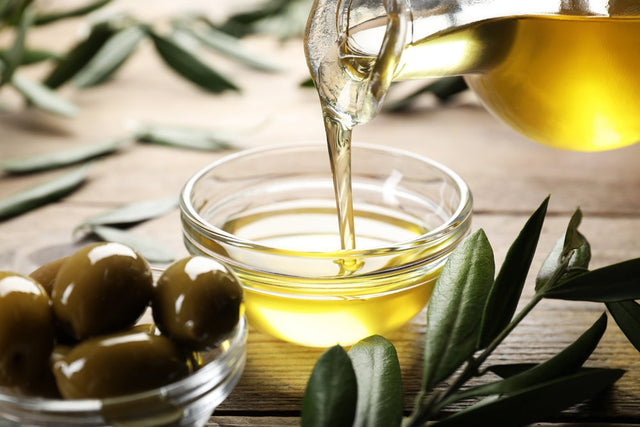
Do Olive Polyphenols Deliver Clinical Benefits?
“Clinical benefits” is a high bar, and it should be. In nutrition, that phrase doesn’t mean dramatic results or guaranteed outcomes. It refers to...
Read →
What the PREDIMED Trials Really Proved About Extra Virgin Olive Oil
For decades, conventional nutrition advice treated dietary fat as something to minimize. Mediterranean cultures offered a different model, with extra virgin olive oil used...
Read →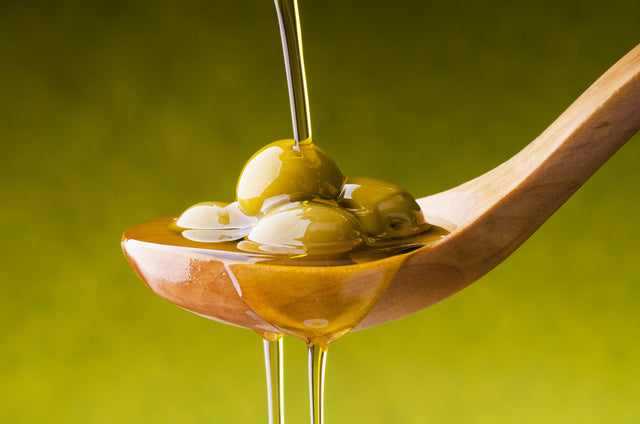
How Polyphenols Work at a Cellular Level
For decades, the conversation around nutrition has focused heavily on macronutrients—proteins, fats, and carbohydrates—or essential vitamins and minerals. While these are vital building blocks,...
Read →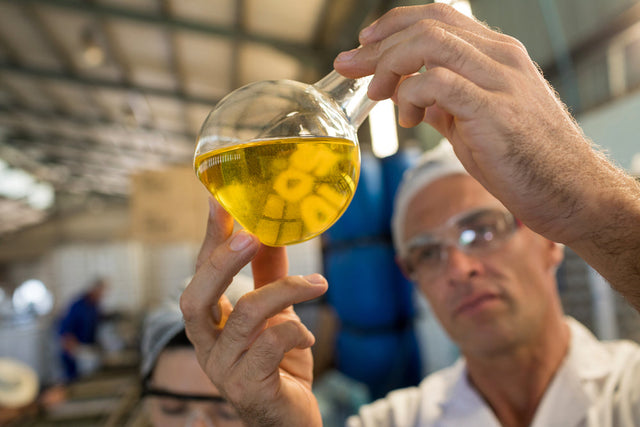
How Olive Oil Is Tested: Purity, Freshness, and Polyphenols
Olive oil is tested in a lab in two ways: chemical analysis and a trained tasting panel. The chemistry measures freshness and oxidation (free...
Read →
Olive Oil As Medicine The Effect On Blood Lipids And Lipoproteins
Key Takeaways: Just 2 tablespoons of extra virgin olive oil (EVOO) a day can improve cholesterol levels and lower heart disease risk. EVOO...
Read →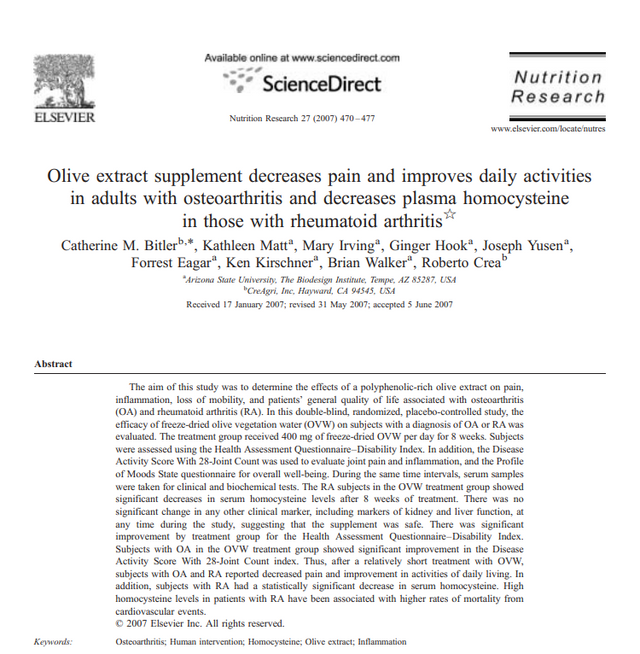
Olive extract supplement decreases pain and improves daily activities in adults with osteoarthritis and decreases plasma homocysteine in those with rheumatoid arthritis
Key Takeaways: Olive extract supplements improved daily activities and reduced pain in people with osteoarthritis (OA). In rheumatoid arthritis (RA) patients, the supplement...
Read →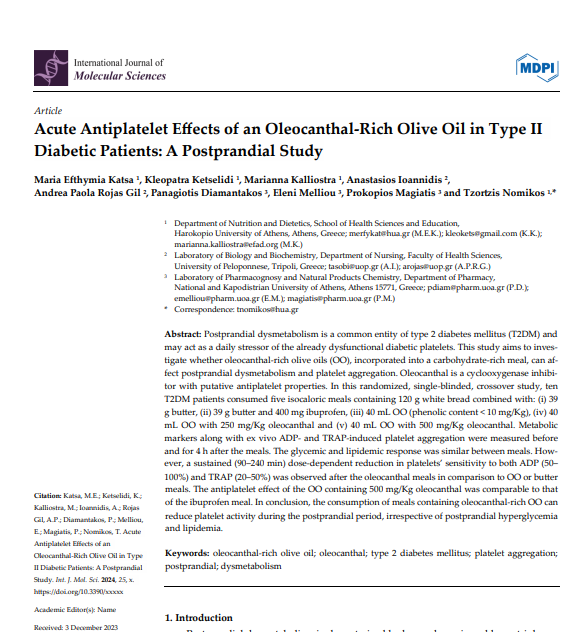
Acute Antiplatelet Effects of an Oleocanthal-Rich Olive Oil in Type II Diabetic Patients: A Postprandial Study
Key Takeaways: Oleocanthal, a natural compound in extra virgin olive oil, acts like ibuprofen in reducing platelet activity. In type 2 diabetic patients,...
Read →WHERE TO START
The research is the easy part.
Phenolia Daily puts the polyphenols this article describes into a two-capsule daily serving — three Greek sources, no oil to sip, zero calories.
Shop Phenolia Daily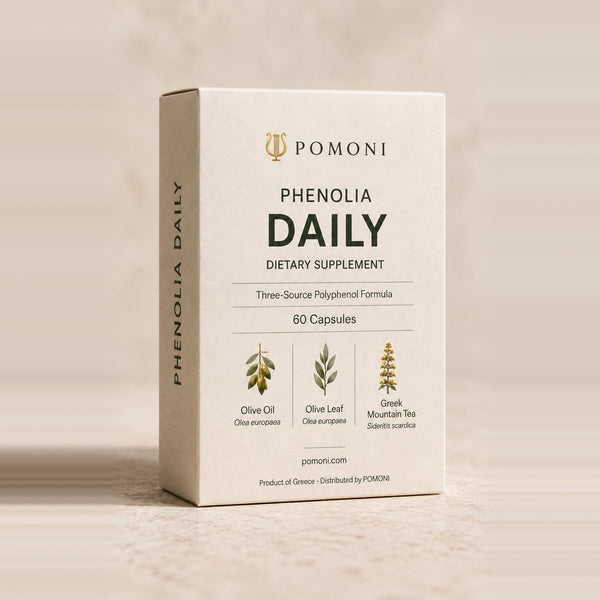
Phenolia Daily — Olive Polyphenol Supplement, 60 Capsules
From $45/box with Subscribe & Save


Verified olive polyphenols - from a single Greek grove, proven batch by batch. Prove it, then sell it.
O-Liv LLC, doing business as Pomoni · Bettendorf, Iowa
Verified olive polyphenols - from a single Greek grove, proven batch by batch. Prove it, then sell it.
O-Liv LLC, doing business as Pomoni · Bettendorf, Iowa