
Unlock 10% off your first order
Oleuropein is the bitter phenolic compound that dominates the olive leaf and the unripe olive fruit. It is the reason a fresh olive cannot be eaten straight from the tree. During milling and digestion it breaks down into smaller compounds, including hydroxytyrosol. In laboratory and early human studies it is associated with antioxidant activity and healthy blood pressure and lipid levels.
What is oleuropein?
Oleuropein is a secoiridoid, a class of compound found only in the olive family. Structurally it is a glycoside. That means it has three parts joined together: a hydroxytyrosol unit, a secoiridoid unit called elenolic acid, and a glucose sugar.
The olive tree makes oleuropein as a defence against insects and microbes. Levels are highest in the leaves and in young green fruit. As the olive ripens and darkens, oleuropein falls steeply. This is one reason early harvest oils carry more phenolic compounds than late harvest ones.
Its sensory signature is bitterness. Table olives are cured in brine or lye precisely to break oleuropein down so the fruit becomes edible. In a fresh oil, a clean bitter note on the tongue points to oleuropein-derived compounds.
How it works in the body
Oleuropein itself is water-loving and only partly absorbed. Much of its activity comes from what it becomes. When olives are crushed, enzymes in the fruit strip off the sugar. This produces oleuropein aglycone and oleacein, which dissolve into the oil. In the gut, further breakdown releases hydroxytyrosol, one of the best-absorbed olive phenols.
In laboratory studies, oleuropein and its breakdown products neutralise free radicals and protect fats from oxidation. They also reduce signals from inflammatory pathways such as NF-kB in cell models. In olive leaf research, interest centres on blood vessel tone, blood pressure and blood lipids. These findings are promising but still developing in humans.
What the research shows
Olive leaf extract and blood pressure. In a randomised, placebo-controlled crossover trial, men with mildly raised blood pressure took a phenolic-rich olive leaf extract for six weeks (Lockyer et al., European Journal of Nutrition, 2017). The extract supplied oleuropein and hydroxytyrosol. Blood pressure and some blood lipids were lower than with placebo. The trial was small, and larger studies are needed.
The EU health claim. The authorised EU claim for olive oil polyphenols counts hydroxytyrosol and its derivatives, and the regulation names the "oleuropein complex" as one of them (Commission Regulation (EU) No 432/2012). So oleuropein-derived compounds are part of the measured total behind the claim that olive oil polyphenols protect blood lipids from oxidative stress.
A broad pharmacology review. A review of laboratory and animal work describes antioxidant, anti-inflammatory, antimicrobial and blood-vessel-related effects for oleuropein (Omar, Scientia Pharmaceutica, 2010). Most of this evidence is preclinical. It explains why the compound is studied, not what it does in people.
Cancer and metabolic models. Cell and animal studies have reported that oleuropein slows the growth of some cancer cell lines and improves markers of glucose handling (preclinical). These are early findings and are not evidence of any treatment effect.
How much is in olive oil and in Phenolia
Intact oleuropein is plentiful in leaves and green fruit but scarce in finished oil. Being water-loving, most of it stays in the water and pulp during milling. What reaches the oil is mainly its fat-soluble breakdown products, oleuropein aglycone and oleacein. In fresh, early harvest oils these can add up to tens or even hundreds of mg/kg.
The olive leaf is a different matter. Dried leaf is one of the richest natural sources of oleuropein, which is why leaf extracts are often standardised to it. That gives a capsule a way to provide oleuropein that liquid oil cannot.
Harvest timing and cultivar still matter. Green Koroneiki olives, the Greek variety Pomoni uses, are known for high secoiridoid content. Cold, quick extraction preserves more of it.
Pomoni measures each compound by HPLC (high-performance liquid chromatography), which separates oleuropein from its relatives before measuring. Pomoni High-Phenolic Olive Oil provides the oil-soluble forms. Phenolia Daily adds olive leaf extract alongside high-phenolic olive oil (powdered) and Greek Mountain Tea. The current batch certificate on testing and certifications lists the measured figures. Our olive oil polyphenols science guide covers the wider family.
Related compounds
Frequently asked questions
Why are fresh olives so bitter?
Fresh olives are rich in oleuropein, which is intensely bitter. Curing in brine or lye breaks it down, which is why table olives are edible.
Is oleuropein in olive oil?
Only in small amounts as the intact molecule. Most of it converts during milling into oil-soluble forms such as oleuropein aglycone and oleacein, which do reach the oil.
What is the difference between oleuropein and hydroxytyrosol?
Oleuropein is a larger molecule that contains a hydroxytyrosol unit. When oleuropein breaks down in the olive or the gut, it releases hydroxytyrosol.
Why use olive leaf extract as well as olive oil?
Olive leaf is one of the richest natural sources of oleuropein. Combining leaf extract and olive oil supplies a broader range of olive compounds than either alone.
These statements have not been evaluated by the Food and Drug Administration. Pomoni products are not intended to diagnose, treat, cure or prevent any disease.
Sources
- Lockyer S, Rowland I, Spencer JPE, Yaqoob P, Stonehouse W. Impact of phenolic-rich olive leaf extract on blood pressure, plasma lipids and inflammatory markers: a randomised controlled trial. European Journal of Nutrition. 2017;56(4):1421-1432. doi:10.1007/s00394-016-1188-y
- Commission Regulation (EU) No 432/2012 establishing a list of permitted health claims made on foods. Official Journal of the European Union. 2012. eur-lex.europa.eu
- Omar SH. Oleuropein in olive and its pharmacological effects. Scientia Pharmaceutica. 2010;78(2):133-154. doi:10.3797/scipharm.0912-18
More polyphenol science
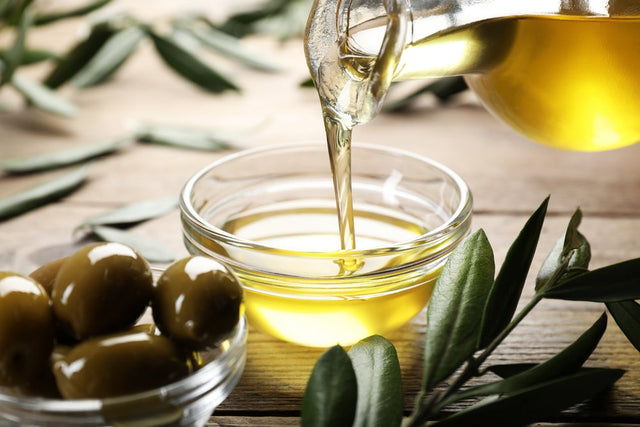
Do Olive Polyphenols Deliver Clinical Benefits?
“Clinical benefits” is a high bar, and it should be. In nutrition, that phrase doesn’t mean dramatic results or guaranteed outcomes. It refers to...
Read →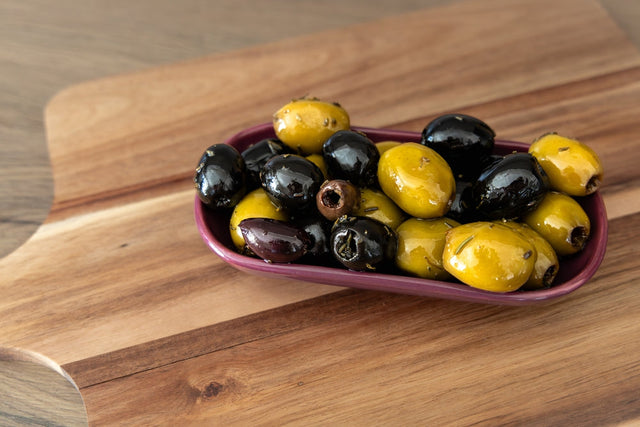
Polyphenols Explained: Why They Matter
In the pursuit of better health, we often hear buzzwords thrown around—antioxidants, free radicals, superfoods. But among these, one term has emerged as a...
Read →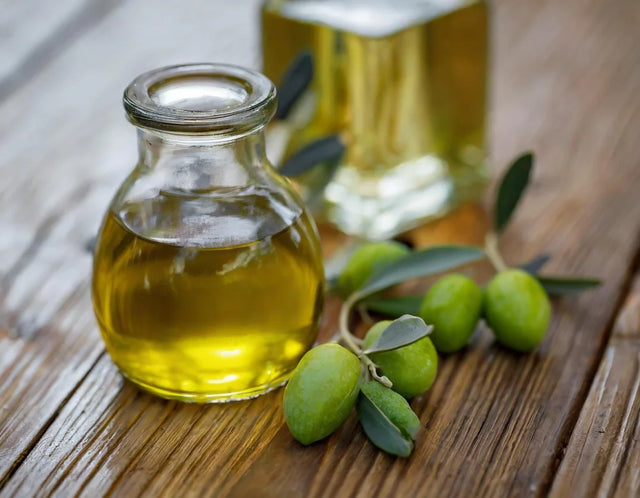
How to Read Lab Reports for Phenolic Content in Olive Oil
Extra virgin olive oil (EVOO) is celebrated as a cornerstone of the Mediterranean diet and increasingly recognized for its polyphenol-rich, antioxidant, and neuroprotective properties....
Read →
Olive Oil Polyphenols: The Complete Science Guide
Olive oil is more than a healthy fat. It is a complex biological matrix containing hundreds of bioactive compounds — and the most important...
Read →
What the PREDIMED Trials Really Proved About Extra Virgin Olive Oil
For decades, conventional nutrition advice treated dietary fat as something to minimize. Mediterranean cultures offered a different model, with extra virgin olive oil used...
Read →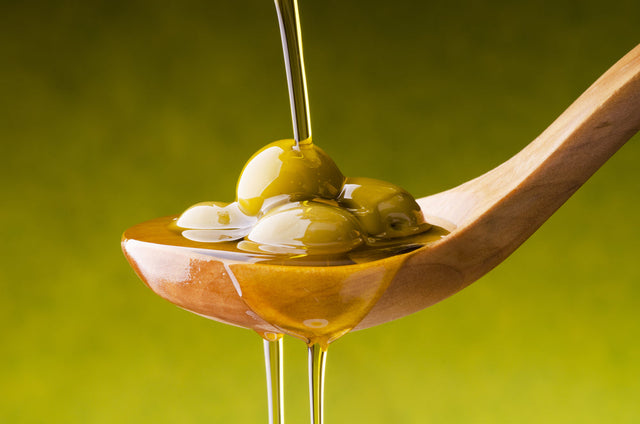
How Polyphenols Work at a Cellular Level
For decades, the conversation around nutrition has focused heavily on macronutrients—proteins, fats, and carbohydrates—or essential vitamins and minerals. While these are vital building blocks,...
Read →WHERE TO START
The research is the easy part.
Phenolia Daily puts the compounds this page describes into one HPLC-verified capsule: olive fruit, olive leaf and Greek Mountain Tea, with the batch certificate published.
Shop Phenolia Daily
Phenolia Daily — Olive Polyphenol Supplement
From $45/box with Subscribe & Save

Verified olive polyphenols - from a single Greek grove, proven batch by batch. Prove it, then sell it.
O-Liv LLC, doing business as Pomoni · Bettendorf, Iowa
Verified olive polyphenols - from a single Greek grove, proven batch by batch. Prove it, then sell it.
O-Liv LLC, doing business as Pomoni · Bettendorf, Iowa